Psychological Erectile Dysfunction (ED): Symptoms, Causes & Key Insights for Bangladeshi Men
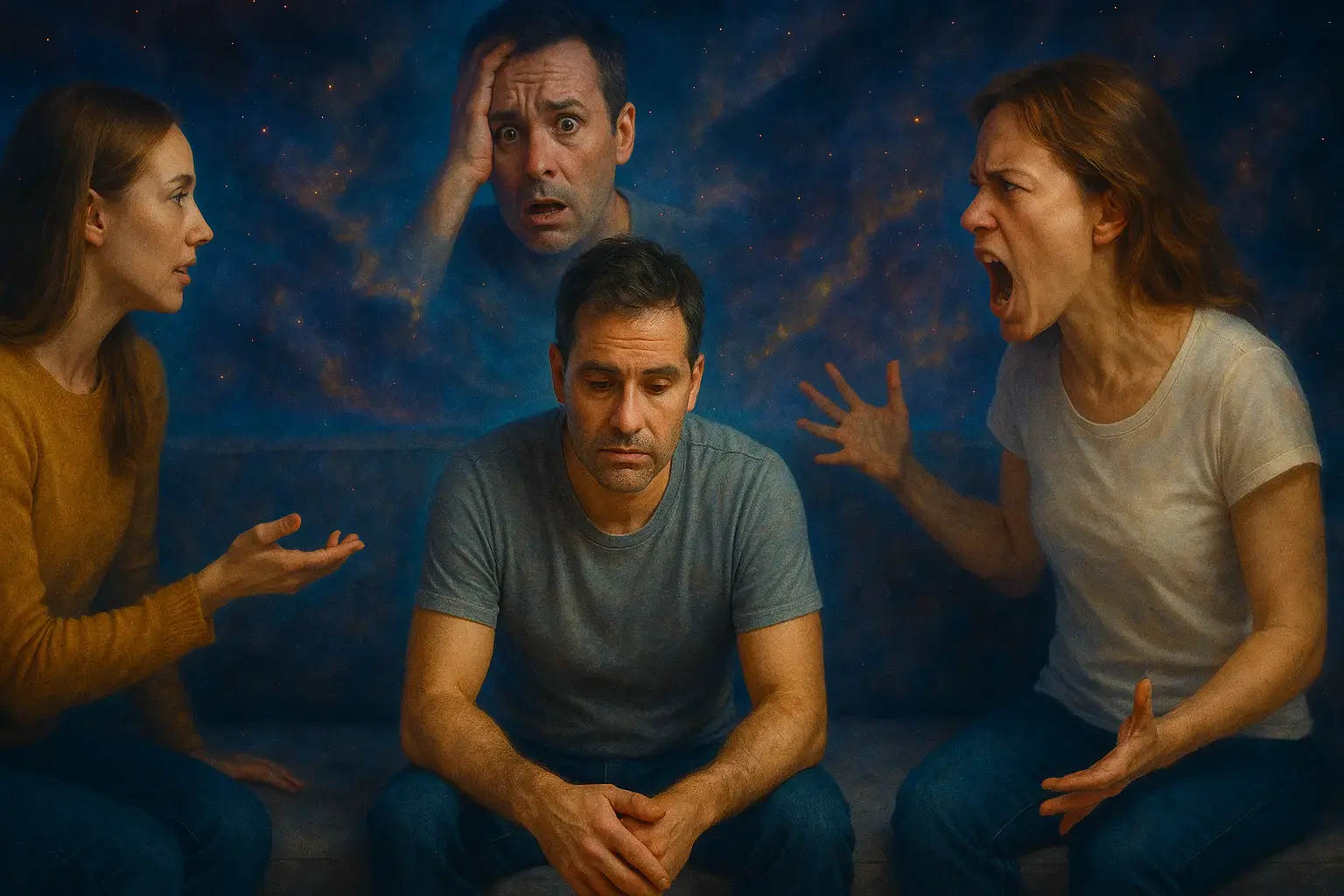
Psychological erectile dysfunction occurs when emotional or mental pressure disrupts a man’s natural ability to get or maintain an erection. Many men in Bangladesh assume ED must be caused by illness or hormones, but psychological factors are just as common—especially among younger men facing stress, self-doubt, or performance pressure.
Depression, anxiety, relationship tension, and excessive pornography use can weaken sexual focus and confidence. When the mind is overwhelmed, arousal becomes harder to sustain, creating a cycle of worry that gradually affects intimacy and self-esteem.
What Psychological ED Means
Psychological ED happens when mental or emotional factors—not physical disease—interfere with erection quality. It can appear at any age and is often linked to:
- Worry about performance
- Stress or overthinking
- Low mood or depression
- Relationship issues
- Low self-esteem
- Unrealistic expectations shaped by porn
In Bangladesh, where men rarely discuss emotional wellbeing openly, this form of ED often goes unnoticed until it affects relationships and confidence.
Recognizing the Symptoms
Psychological ED shows the same physical signs as other types of ED, but the emotional backdrop is different. Men may experience:
- Difficulty achieving or maintaining an erection
- Erections that don’t feel firm enough
- Reduced desire or difficulty staying mentally engaged
- A drop in confidence
- Issues like premature or delayed ejaculation
Depending on the underlying cause, additional patterns may appear:
If tied to depression
- Loss of interest
- Persistent sadness
- Low libido
- Fatigue
- Sleep disruption
- Difficulty concentrating
- Feelings of guilt or worthlessness
If tied to performance anxiety
- Negative thoughts during intimacy
- Fear of disappointing a partner
- Avoiding sexual situations
- Constant self-monitoring
- Reduced confidence
These emotional loops often reinforce the ED itself.
Why Psychological ED Happens
There is rarely a single cause. Psychological ED usually stems from several overlapping factors:
- Performance anxiety
- Stress or chronic worry
- Relationship conflict
- Depression or emotional fatigue
- Guilt or low self-worth
- Heavy or unrealistic pornography consumption
Mental health and sexual function influence each other: ED increases anxiety, and anxiety makes ED worse.
How These Triggers Affect Sexual Response
Performance Anxiety
A single difficult experience can lead to fear of repetition. That fear brings tension, which makes erections weaker—creating a self-reinforcing cycle.
Stress & Anxiety
Workload, family responsibilities, and financial pressure push the body into a “survival mode,” not a sexual one. The mind becomes too busy to stay present.
Relationship Problems
Misunderstandings, emotional distance, or unresolved conflicts make intimacy feel strained instead of comfortable.
Depression
Depression lowers libido and disrupts pleasure signals. Some antidepressants may also influence erection quality.
Guilt & Low Self-Esteem
Feeling inadequate or unattractive can erode natural arousal.
Excessive Porn Use
Porn-induced ED can develop when the brain becomes conditioned to exaggerated sexual stimulation, making real intimacy feel less engaging.
Bangladesh Context
Psychological ED is becoming more common among Bangladeshi men due to:
- City stress and long work hours
- Financial and family pressure
- Limited discussion around mental health
- Private pornography consumption
- Increasing relationship tensions among younger couples
Many men avoid seeking help, hoping the issue will resolve on its own. This silence often prolongs the emotional cycle.
Treatment Direction
This reorganized section follows the style of the reference file, leaving room for your full treatment content:
- Addressing stress, depression, or anxiety
- Improving relationship communication
- Moderating porn use
- Counseling or therapy when needed
- Medical evaluation for combined issues
Risk Factors for Psychological ED
Some men are naturally more prone to psychological ED. Personality plays a role: those who are more anxious, quiet, or easily stressed often face higher risk. These traits can influence lifestyle habits — such as smoking, low physical activity, or irregular routines — which are known to affect erectile health.
Risk factors for depression and other emotional conditions also overlap. Chronic illness, long-term stress, or difficult early experiences can increase the chances of developing depression, and depression itself can reduce libido and erection quality.
In Bangladesh, added pressures — work stress, financial responsibility, social expectations, and the tendency to avoid discussing emotions — often intensify these risks. These factors create an environment where psychological ED becomes more likely.
Diagnosing Psychological ED
If you feel generally healthy but suspect stress or emotional strain is affecting your erections, the first step is consulting a healthcare provider. Diagnosis usually includes:
- Medical and sexual history
- Physical examination
- Lab tests to rule out physical causes
Common tests include:
- CBC
- Fasting glucose or HbA1c
- Metabolic profile
- Thyroid tests
- Lipid profile
- Total testosterone
Your provider may also ask about:
- Desire levels
- Ability to achieve and maintain erections
- Ability to reach orgasm
- Overall sexual satisfaction
If physical issues are ruled out, a psychological evaluation may be recommended. If conditions like Peyronie’s disease are suspected, you may be referred to a urologist.
Questions That Offer Clues
Do erections occur during masturbation?
Are morning erections still normal?
Has stress been unusually high?
Do worries about pleasing your partner affect confidence?
Answering “yes” doesn’t confirm psychological ED, but it suggests emotional stress may be involved. Morning erections in particular show that your body’s physical systems are functioning normally.
For men in Bangladesh — where mental health discussions are often avoided — speaking with a professional is especially important if anxiety or depression seems connected to ED symptoms.
Treatment of Psychological ED
Psychological ED usually improves once the underlying cause is addressed. Treatment options fall into three main groups:
- Medications
- Therapy
- Lifestyle adjustments
Medications
ED medications like sildenafil (Viagra®), tadalafil (Cialis®), vardenafil (Levitra®), and avanafil (Stendra®) improve blood flow and can boost confidence. They do not eliminate anxiety or change thought patterns but may help when physical and emotional factors overlap.
A licensed provider will determine whether medication is suitable based on your symptoms and history.
Therapy
Cognitive Behavioral Therapy (CBT)
CBT helps identify and shift thought patterns that create pressure or anxiety around performance. Studies suggest it can support men with stress-related ED.
Psychosexual Therapy
Sex therapy focuses on communication and comfort during intimacy. It often involves both partners and helps reduce fear and performance pressure.
Lifestyle Techniques
If therapy feels like a big step, simple practices may still help:
- Meditation
- Relaxation or breathing exercises
- Mindfulness during intimacy
These techniques don’t replace professional care but can ease emotional triggers.
Prevention of Psychological ED
Healthy habits can reduce the risk of psychological ED:
- Regular exercise
- Moderate alcohol intake (avoid drinking before sex)
- Balanced meals with whole foods
- 7+ hours of sleep
- Mindfulness or relaxation practices
- Honest communication with your partner
- Realistic expectations about intimacy
- Avoiding or quitting smoking
- Seeking help for persistent anxiety or depression
In Bangladesh’s busy, high-pressure environment, these habits can strengthen emotional stability and sexual wellbeing.
Psychological erectile dysfunction: Frequently Asked Questions (FAQ)
What is psychological erectile dysfunction and how does it start?
Psychological erectile dysfunction occurs when stress, anxiety, depression, or relationship tension disrupt the brain’s ability to trigger an erection. The body itself may function normally, but negative thoughts, pressure to perform, or past difficult experiences interfere with arousal. For many men, it begins after a few stressful encounters and gradually worsens as worry, fear of failure, and self-doubt build up over time.
How do I know if my ED is psychological?
Psychological ED is more likely when you still have morning erections or can get firm during masturbation but struggle with a partner. A sudden onset, situation-specific problems, or high stress around performance are strong indications. A doctor can rule out diabetes, heart issues, or hormone changes and help determine whether emotional factors are playing the main role in your symptoms.
Can stress, anxiety or depression cause ED in Bangladesh?
Yes. Stress, anxiety, and depression are major causes of psychological ED, and they’re especially common in Bangladesh due to work pressure, family expectations, and financial responsibilities. When the mind stays tense, the body has trouble relaxing enough to support arousal and blood flow. Managing these emotional pressures often leads to noticeable improvements in erection quality and overall confidence.
Is psychological erectile dysfunction curable or a lifelong problem?
Psychological ED is usually treatable and rarely permanent. Many men improve with therapy, CBT, sex-focused counseling, stress reduction, and, when appropriate, ED medications. The key is addressing the underlying cause—whether it’s anxiety, depression, guilt, or relationship issues. With the right guidance and consistent support, most men regain reliable erections and a healthier, more comfortable sex life.
What is the best treatment for psychological ED in Bangladesh?
The best treatment depends on what’s driving the problem. In Bangladesh, doctors often recommend a mix of therapy (CBT or sex therapy), stress-management techniques, and lifestyle changes. ED medication may help if physical and psychological factors overlap. A urologist or sexual-health specialist can check for medical issues and guide you toward a qualified mental-health professional when emotional triggers are involved.
Can lifestyle changes alone fix psychological erectile dysfunction?
In some cases, yes. Regular exercise, better sleep, moderate alcohol use, quitting smoking, limiting porn, and practicing mindfulness can ease stress and improve erections. These steps work well for mild psychological ED. But when deeper issues like anxiety, depression, or relationship conflict are involved, lifestyle changes are most effective when combined with therapy or professional support rather than used alone.