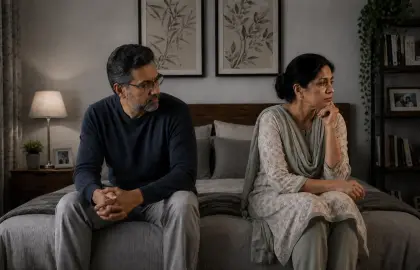

How Daily Stress Affects Relationship Intimacy
Daily stress can quietly change the way two people connect. One person may feel tired, another may feel ignored, and slowly the relationship can start feeling less close than before. This does not always mean love is gone. Sometimes, stress simply leaves people with less patience, less emotional energy, and less room for warm communication.
For many couples in Bangladesh, stress can come from work, family expectations, financial pressure, traffic, lack of privacy, or the pressure to manage everything silently. Understanding this connection is the first step toward handling it with more care.
At a Glance
Daily stress can affect relationship intimacy by reducing emotional energy, patience, communication, and quality time between partners. When stress builds up, couples may feel distant, misunderstood, or less emotionally connected. With respectful communication, small daily care, and healthy boundaries, many couples can rebuild closeness gradually.
What Relationship Intimacy Really Means
Relationship intimacy does not only mean physical closeness. In a healthy relationship, intimacy also includes emotional comfort, trust, respect, open communication, and feeling safe with each other.
It is the feeling that you can share your thoughts without being judged. It is knowing that your partner listens, cares, and tries to understand you. It is also built through small everyday actions, not only big romantic moments.
When stress enters daily life, these small actions often become the first things people forget.
How Daily Stress Can Create Emotional Distance
Stress affects how people respond to each other. A person who is worried, tired, or mentally overloaded may not have the same patience as before.
They may talk less. They may avoid deep conversations. They may become irritated over small things. Sometimes, they may want silence, while the other partner may want attention and reassurance.
This is where misunderstanding begins.
One person may think, “They don’t care about me anymore.”
The other person may think, “I am already tired. Why am I being pressured more?”
Both people may be struggling, but neither may know how to explain it properly.
Stress Can Reduce Quality Time
Many couples do spend time together, but not all time feels emotionally connected.
Sitting in the same room while scrolling on the phone is not the same as feeling close. Eating dinner together while both are mentally stressed may not create warmth. Even regular conversations can become only about bills, family duties, children, work, or daily problems.
Over time, the relationship may start feeling like a routine.
This does not mean the relationship is failing. It means the couple may need more intentional moments of connection, even if those moments are small.
Stress Can Change the Way Partners Communicate
Communication is often the first area affected by stress.
When someone is under pressure, they may speak more sharply than they mean to. They may reply late, avoid eye contact, or stop explaining their feelings. Some people become silent when stressed. Others become more reactive.
Neither style is automatically “bad,” but both can create distance if the other partner does not understand what is happening.
A simple sentence like, “I am tired today, but I still care about you,” can prevent many misunderstandings. Sadly, many people do not say this. Instead, they stay quiet, act cold, or become irritated.
That is how stress slowly becomes emotional distance.
Why This Matters in Bangladesh?
In Bangladesh, relationship stress often has extra layers.
Many couples live with family responsibilities. Some have limited privacy. Some deal with financial pressure, job uncertainty, long commutes, household duties, or expectations from both sides of the family.
There can also be hesitation around discussing relationship issues openly. Many people are not used to saying, “I feel emotionally distant,” or “I need more support.” Instead, they may hide discomfort because they do not want conflict, shame, or judgment.
This silence can make small problems feel bigger.
For married couples, there may also be pressure to “adjust” without discussing emotional needs. But healthy adjustment does not mean ignoring your feelings. A strong relationship needs respect, listening, and space for honest communication.
Common Signs That Stress Is Affecting Intimacy
Stress may be affecting your relationship intimacy if you notice:
- You talk mostly about problems, not feelings
- Small issues turn into arguments quickly
- One or both partners avoid deeper conversations
- You feel emotionally distant despite living together
- You spend time together but still feel disconnected
- There is less patience, warmth, or appreciation
- One partner feels ignored while the other feels pressured
These signs do not automatically mean something serious is wrong. But they do show that the relationship may need more care and attention.
Practical Guidance: How to Protect Closeness During Stress
Start With Small, Honest Communication
You do not need a perfect speech. Start simple.
You can say:
“I have been stressed lately, so I may seem quiet. But I don’t want you to feel ignored.”
Or:
“I feel we are both busy and tired. Can we spend a little time talking without distraction?”
Small honest sentences can reduce confusion. They help both partners understand that the distance may be coming from stress, not lack of care.
Create a Short Daily Check-In
A daily check-in does not need to be long. Even 10 minutes can help.
Ask simple questions:
“How was your day really?”
“Is something bothering you?”
“What do you need from me today?”
The goal is not to solve every problem immediately. The goal is to stay emotionally aware of each other.
Avoid Blaming Language
When stress is already high, blaming language can make things worse.
Instead of saying:
“You never care about me.”
Try:
“I feel distant from you lately, and I want us to talk.”
Instead of saying:
“You always ignore me.”
Try:
“I miss having proper time with you.”
This does not mean hiding your feelings. It means expressing them in a way that keeps the conversation open.
Respect Different Stress Responses
People handle stress differently.
One person may want to talk. Another may need quiet time first. One person may become emotional. Another may become practical and silent.
A healthy relationship tries to understand these differences instead of judging them immediately.
You can ask:
“When you are stressed, do you need space first or support first?”
This kind of question can prevent many unnecessary conflicts.
Protect Small Moments of Warmth
Relationship intimacy often grows through small moments.
A kind message. A cup of tea together. A few minutes of undistracted conversation. Saying thank you. Noticing effort. Asking before assuming.
These small habits may look simple, but they help protect emotional closeness when life feels heavy.
Common Misunderstandings About Stress and Intimacy
“If we are distant, the relationship is broken.”
Not always. Emotional distance can happen during stressful periods. What matters is whether both partners are willing to notice it and respond with care.
“My partner should understand me without asking.”
This expectation creates problems. Even caring partners cannot always guess what you feel. Clear communication helps more than silent testing.
“Stress is personal, so it should not affect the relationship.”
Stress often affects mood, patience, attention, and communication. So yes, personal stress can affect relationship closeness.
“Only big problems damage intimacy.”
Small repeated disconnections can also create distance. A lack of listening, appreciation, or calm conversation can slowly weaken closeness.
When to Seek Professional Support
Sometimes, stress and relationship problems become too heavy to handle alone.
Consider seeking professional support if there is ongoing fear, emotional harm, coercion, abuse, serious distress, repeated conflict, trauma, or mental health concerns. Support may also be helpful if both partners keep having the same painful conversations without progress.
Professional guidance does not mean the relationship has failed. It can help people understand patterns, communicate more safely, and make healthier decisions.
If there is any form of violence, threat, or fear, personal safety should come first.
Educational Safety Note
This article is for educational purposes only. It is not medical advice, therapy, diagnosis, or professional counselling. Relationship experiences can be complex, and different people may need different types of support. If you are facing serious emotional distress, fear, abuse, trauma, or ongoing conflict, consider speaking with a qualified professional or trusted support service.
BeshiKhushi Editorial Note
BeshiKhushi creates respectful, culturally sensitive educational content for Bangladeshi readers. Our goal is to support healthier understanding around relationships, emotional wellbeing, communication, and personal confidence. This article is written to inform and guide, not to judge, shame, or replace professional help.