
How Mental Wellbeing Shapes Sexual Wellness
Sexual wellness is not only about the body. It is also connected with your mind, emotions, confidence, stress level, relationship comfort, and the way you communicate. When your mental state feels heavy, closeness can also feel difficult. When you feel emotionally safe and respected, personal connection may feel calmer and more natural.
For many Bangladeshi readers, this topic can feel private or uncomfortable to discuss. That is understandable. But silence often creates confusion. A respectful conversation about emotional wellbeing can help people understand themselves better without shame, pressure, or unrealistic expectations.
The Main Idea
Mental wellbeing can affect how comfortable, confident, and emotionally present someone feels in a close relationship. Stress, anxiety, low self-confidence, emotional pressure, fear of judgment, or unresolved conflict may influence how a person experiences connection and personal comfort.
This does not mean every difficulty is a mental health problem. It simply means the mind and emotions are part of overall wellness. Understanding this connection can help you respond with patience, better communication, and more respect for yourself and your partner.
Mental and Emotional Health Are Part of Whole-Person Wellness
Many people separate physical wellness from emotional wellness. But in real life, they often work together.
If your mind is tired, your body may also feel tense. If you are worried, ashamed, angry, pressured, or emotionally disconnected, closeness may not feel easy. If you feel safe, respected, and understood, connection may feel more comfortable.
This is why sexual wellness should not be discussed only as a physical topic. It also includes emotional readiness, mental calmness, trust, communication, boundaries, and self-respect.
A person may eat well, look fine, and continue daily responsibilities, but still feel emotionally overwhelmed inside. That emotional load can quietly affect confidence, mood, patience, and relationship comfort.
How Stress Can Affect Personal Connection
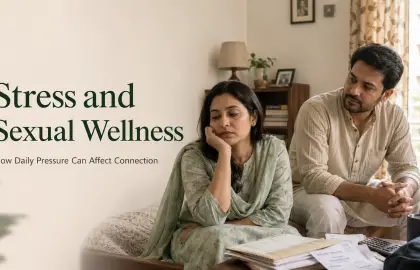
Stress is one of the most common reasons people feel distant, tired, or emotionally unavailable. It can come from work, study, financial responsibility, family pressure, traffic, long screen time, or lack of rest.
When stress builds up, the mind may stay alert even during private or peaceful moments. A person may want connection but still feel distracted. They may care about their partner but struggle to show warmth.
Stress Can Reduce Emotional Availability
When someone is under pressure, they may become quiet, irritated, impatient, or withdrawn. This does not always mean they do not care. Sometimes they simply do not have enough emotional energy left.
In a relationship, this can create misunderstanding. One person may feel rejected, while the other person may feel exhausted. Without communication, both sides may start guessing instead of understanding.
Daily Pressure Can Create Distance
A busy routine can slowly reduce meaningful conversation. People may talk about bills, children, family duties, work updates, or practical tasks, but avoid emotional check-ins.
Over time, this can make closeness feel mechanical or uncomfortable. A relationship needs more than routine. It also needs moments of calm attention, kindness, and honest conversation.
The Role of Anxiety and Overthinking
Anxiety can make personal topics feel heavier than they are. Someone may worry about being judged, disappointing a partner, not being good enough, or saying the wrong thing.
Overthinking can also make a person focus too much on performance, appearance, or expectations. This can reduce natural comfort and increase pressure.
Fear of Judgment
Many people silently ask themselves:
“Will my partner understand me?”
“Will I be judged?”
“What if I am not confident enough?”
“What if something feels uncomfortable?”
These thoughts can create emotional tension. A safe relationship should allow room for honesty, hesitation, and respectful boundaries.
Fear of Disappointing Someone
Some people ignore their own discomfort because they do not want to upset their partner. That may seem kind in the short term, but it can create resentment later.
Healthy closeness should not be based on pressure. Both people should feel able to speak, pause, ask questions, and express comfort levels without fear.
Self-Perception and Confidence Matter
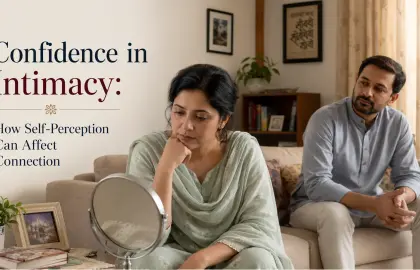
The way you see yourself can affect how you feel in close relationships. If someone feels unattractive, inadequate, inexperienced, or emotionally unsure, they may struggle to relax.
This is not about meeting society’s idea of beauty or confidence. That is a useless trap. Real confidence is more about feeling accepted, respected, and emotionally safe.
Comparison Can Damage Comfort
Social media, unrealistic expectations, and private insecurity can make people compare themselves with others. This comparison may affect self-worth and create unnecessary pressure.
No relationship becomes healthier through constant comparison. Emotional comfort grows through trust, kindness, patience, and realistic expectations.
Confidence Can Be Quiet
Confidence does not always mean being bold or expressive. Sometimes confidence means being able to say:
“I need time.”
“I want to talk about this calmly.”
“I do not feel comfortable with pressure.”
“I want us to understand each other better.”
That kind of honesty can be more valuable than pretending everything is fine.
Communication Helps Reduce Confusion
Many sensitive relationship problems become worse because people do not know how to talk about them. Silence may feel polite, but it can also create distance.
Clear communication does not mean sharing every private detail immediately. It means creating a safer way to express feelings without blame.
Use Gentle but Direct Language
You can say:
“I have been feeling mentally tired lately, and I think it is affecting how connected I feel.”
Or:
“I care about our relationship, but I need us to talk with more patience.”
Or:
“Sometimes I feel pressure, and I want to understand it instead of ignoring it.”
These are simple sentences. They are not dramatic. They help open the door to better understanding.
Listen Without Defending Too Quickly
If your partner shares discomfort, do not immediately argue, blame, or take it as rejection. Try to listen first.
A calm response may sound like:
“Thank you for telling me.”
“I did not know you felt this way.”
“Let’s talk about what feels respectful for both of us.”
Small responses like these can reduce fear and encourage honesty.
Why This Topic Matters for Bangladeshi Readers
In Bangladesh, many people grow up without open, balanced education around emotional comfort, relationships, boundaries, and personal wellbeing. These topics are often treated as too private, too embarrassing, or only relevant after marriage.
Because of that, adults may enter relationships with many questions but very little language to express them.
Family expectations can also be strong. Marriage, children, financial stability, and social reputation may become part of the pressure. Some people feel they must look “fine” from outside even when they are emotionally struggling inside.
Privacy is another real issue. Many couples live with extended family or in shared spaces. Personal time may be limited. This can make emotional connection harder, not because people do not care, but because the environment does not always support calm conversation.
There is also social judgment. People may fear being misunderstood if they talk about stress, anxiety, confidence, or relationship discomfort. This fear can make them stay silent.
BeshiKhushi discusses these topics carefully because silence does not help people make better decisions. Respectful education can give readers language, clarity, and confidence to think more calmly.
Practical Guidance
You do not need a perfect relationship or perfect mental health to build healthier connection. Start with small, realistic steps.
Notice Your Emotional State
Before blaming yourself or your partner, ask:
“Am I stressed?”
“Am I tired?”
“Am I feeling judged?”
“Am I carrying pressure from outside the relationship?”
This helps you understand whether the issue is about the relationship itself, your mental load, or both.
Talk Before Resentment Builds
Do not wait until frustration becomes anger. A short, calm conversation early can prevent bigger conflict later.
Choose a time when both people are not rushed, hungry, exhausted, or already upset. Timing matters.
Respect Boundaries
Boundaries are not rejection. They are part of healthy emotional safety.
A boundary may mean needing time, privacy, slower conversation, or more reassurance. Respecting boundaries helps both people feel safer.
Reduce Unnecessary Pressure
Not every moment needs to be perfect. Not every relationship concern needs an instant solution.
Sometimes the first step is simply saying, “We need to understand this better.” That is already progress.
Care for Daily Wellbeing
Sleep, food, movement, rest, screen habits, and workload can affect mood. Basic self-care will not solve every emotional concern, but ignoring daily wellbeing can make everything feel harder.
If your routine is constantly draining you, your relationship may also feel the pressure.
Learn Without Shame
Reading about emotional wellbeing, communication, stress, and confidence can help you understand your feelings. You may also explore related BeshiKhushi Learn articles on stress, self-perception, emotional pressure, and relationship communication for more context.
Education should not make you feel scared. It should help you think more clearly.
Common Misunderstandings
“Sexual wellness is only physical.”
No. Physical health can matter, but emotional comfort, mental calmness, communication, and trust also play a role. Ignoring the emotional side gives an incomplete picture.
“If someone feels disconnected, they do not care.”
Not always. Stress, anxiety, sadness, pressure, or exhaustion can make someone seem distant even when they still care. The better response is not guessing; it is respectful conversation.
“Talking about emotional needs is embarrassing.”
It may feel uncomfortable at first, especially in a culture where people are not used to discussing these topics openly. But respectful communication is not shameful. It can protect the relationship from confusion.
“Confidence means never feeling unsure.”
That is false. Even confident people have doubts. Real confidence often means being honest about discomfort without blaming yourself.
“One solution can fix everything.”
Be careful with that thinking. Emotional and relationship concerns are usually layered. They may need time, communication, lifestyle changes, support, or professional guidance depending on the situation.
Educational Safety Note
This article is for general education and wellbeing awareness only. It is not medical advice, therapy, diagnosis, or professional counselling.
If your concerns feel serious, ongoing, unsafe, or connected to trauma or mental health symptoms, please consider reaching out to a qualified professional. Sensitive emotional issues deserve careful support, not pressure, shame, or quick fixes.
BeshiKhushi Editorial Note
BeshiKhushi creates respectful, education-first content for Bangladeshi readers who want clearer guidance around wellness, relationships, emotional health, and personal confidence.
Our content is designed to support awareness and better conversations. It does not replace professional care, and it does not promote any product or shortcut as a solution for emotional, psychological, medical, or relationship concerns.