Common Myths About Sexual Wellness (And What Actually Matters)
Sexual wellness is often misunderstood due to misinformation, social silence, and cultural hesitation. In many cases, people rely on myths instead of accurate knowledge, which can affect relationships, confidence, and overall wellbeing.
This guide explains common myths in a respectful and clear way, helping you build a better understanding of intimacy and personal health.
What Sexual Wellness Really Means
Sexual wellness refers to a balanced state of physical, emotional, and relational wellbeing related to intimacy.
It is not limited to physical aspects. It also includes:
- Communication
- Emotional connection
- Personal comfort
- Mutual understanding
A healthy perspective focuses on respect, awareness, and overall wellbeing—not just physical factors.
Why Myths About Sexual Wellness Exist
Myths often develop due to:
- Lack of proper education
- Cultural hesitation to discuss intimate topics
- Misinformation from unreliable sources
- Social stigma around relationships
In Bangladesh, these factors can make it difficult for individuals to ask questions or seek accurate information.
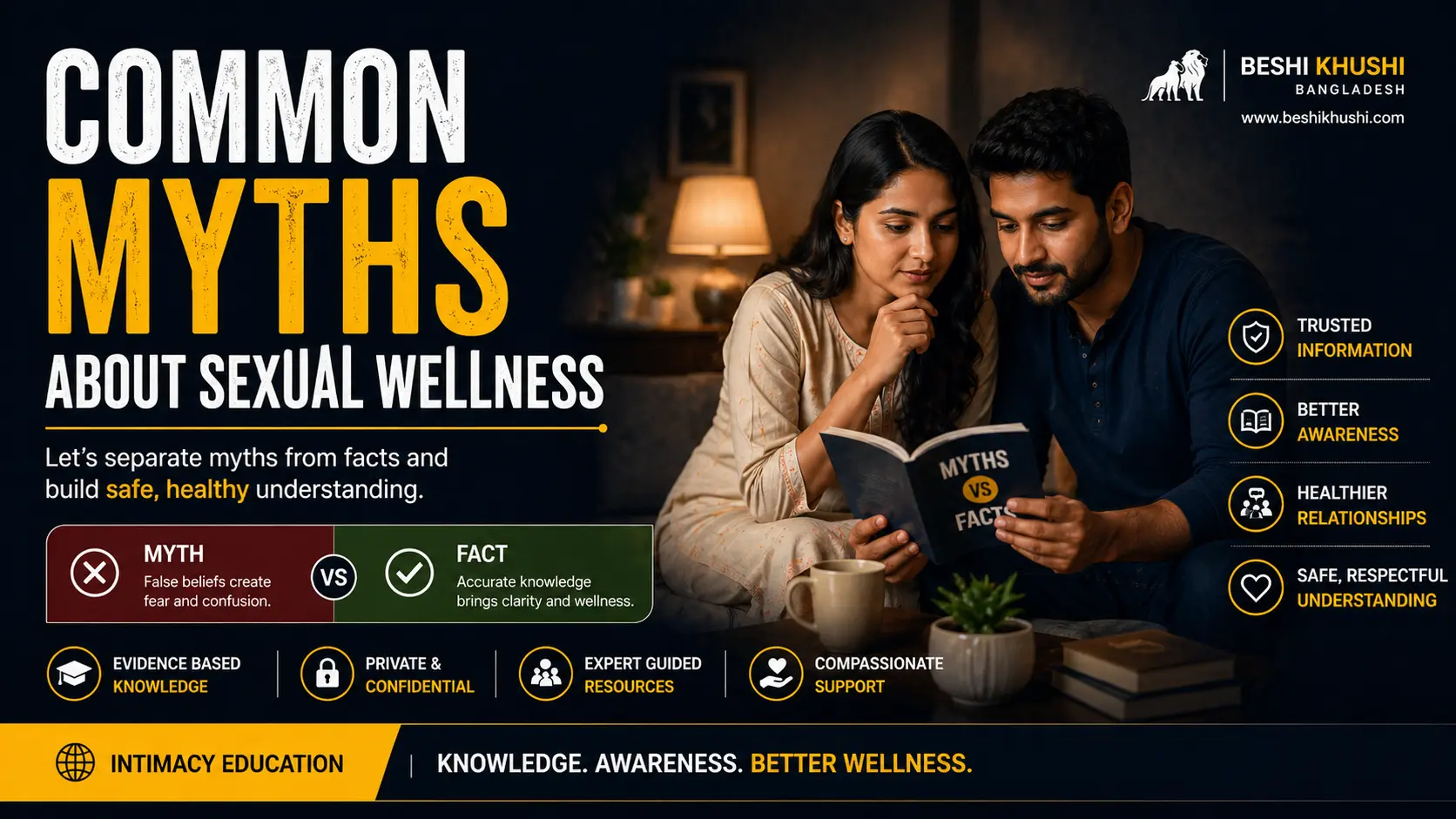
Common Myths and the Reality Behind Them
Myth 1: Sexual wellness is only about physical intimacy
Reality: It also includes emotional connection, communication, and mutual understanding.
Myth 2: Talking about intimacy is unnecessary
Reality: Healthy communication helps build trust and reduces misunderstandings in relationships.
Myth 3: Everyone experiences intimacy the same way
Reality: Each individual’s needs and experiences are different. There is no “one standard” for everyone.
Myth 4: Sexual wellness is not important for overall wellbeing
Reality: It is connected to emotional health, confidence, and relationship satisfaction.
Myth 5: Cultural silence means the topic is inappropriate
Reality: Respectful and educational discussion is important for awareness and healthy relationships.
How These Myths Affect Relationships
Misunderstandings can lead to:
- Poor communication
- Emotional distance
- Confusion or frustration
- Reduced relationship satisfaction
When myths replace knowledge, individuals may struggle to express their needs or understand their partner.
Practical Ways to Build Healthy Understanding
Improving awareness does not require complex steps. Small, respectful actions can help:
- Learn from trusted, educational sources
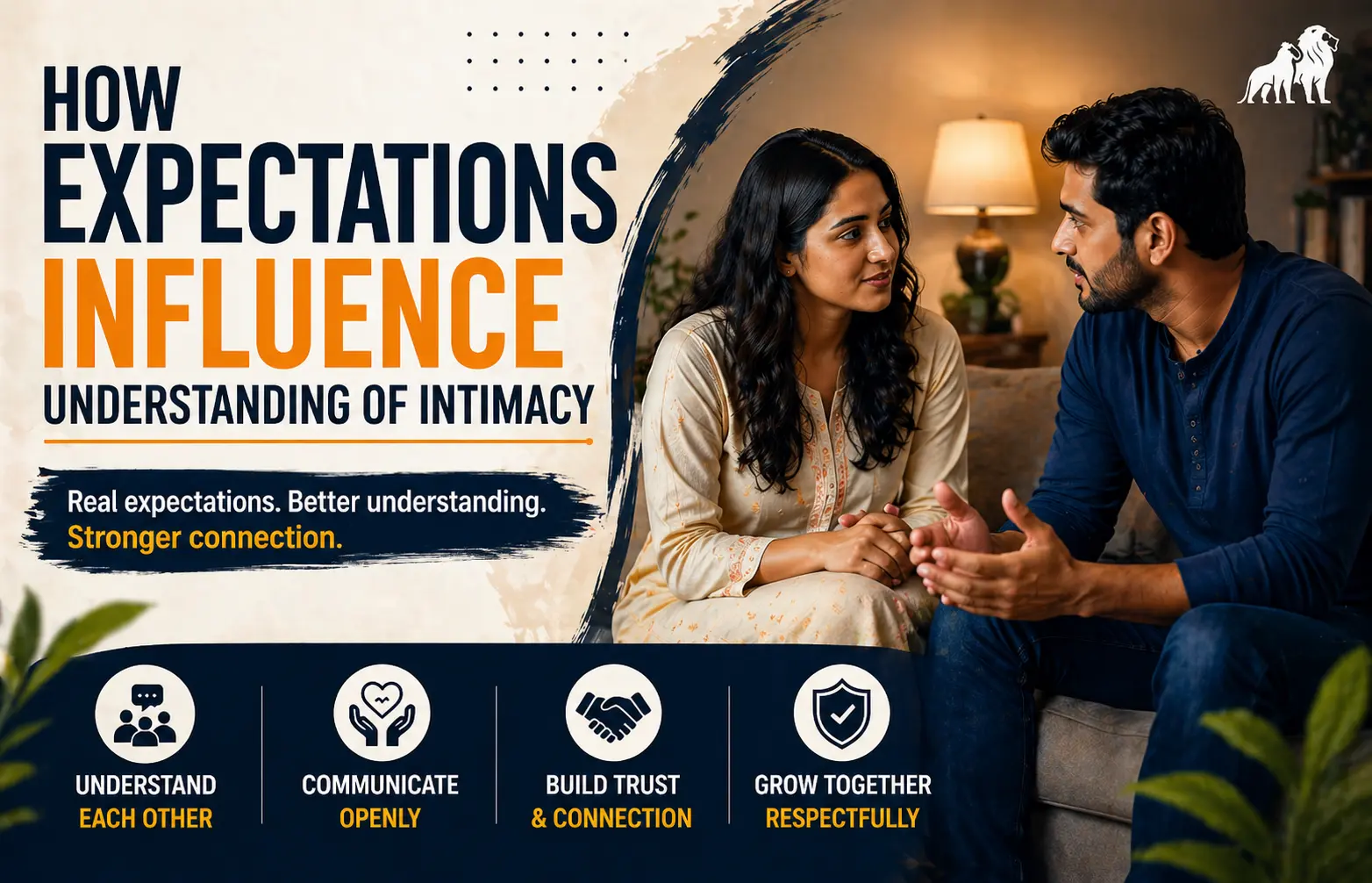
- Communicate openly within comfort levels
- Avoid comparing with unrealistic expectations
- Focus on mutual respect and understanding
- Be patient with personal and relationship growth
Cultural Sensitivity and Privacy in Bangladesh
In Bangladesh, discussions around intimacy are often private. This makes it important to:
- Approach topics with respect
- Avoid judgment
- Use safe, educational language
- Seek information from trustworthy platforms
Maintaining privacy while improving understanding is essential.
When to Seek Reliable Information
It may be helpful to explore trusted resources if:
- Confusion or questions persist
- Relationship misunderstandings increase
- Emotional wellbeing is affected
Educational platforms and guidance-focused resources can provide clarity without discomfort.