
How Does Heart Health Affect Sexual Wellness? Blood Flow, Fitness, and Warning Signs
Heart health and sexual wellness are more connected than many people realise. A person may first notice low energy, reduced confidence, less interest in intimacy, or changes in body response, without immediately thinking about circulation, fitness, blood pressure, or overall cardiovascular health.
This article is not here to diagnose anyone. It is here to explain, in simple language, why blood flow and fitness matter for sexual wellbeing, relationship comfort, and overall health. For Bangladeshi readers, this can be a sensitive topic. Many people feel shy to discuss sexual wellness, even when the real issue may be linked with general health.
Understanding the connection can reduce confusion. It can also help someone decide when a concern may be temporary, when lifestyle habits may need attention, and when speaking with a qualified healthcare professional is the responsible step.
Quick Answer on Heart Health and Sexual Wellness
Heart health may affect sexual wellness because healthy circulation supports energy, stamina, and normal body response. Poor blood flow, low fitness, smoking, diabetes, high blood pressure, stress, poor sleep, and some medicines may contribute to sexual wellness concerns. These symptoms do not always mean heart disease, but sudden, ongoing, or distressing changes should be discussed with a qualified healthcare professional.
How Heart Health May Affect Sexual Wellness or Relationship Comfort
Heart health may influence sexual wellness in several quiet ways.
First, poor circulation may make the body feel less responsive. Some people may notice reduced confidence or changes in how their body reacts during intimate moments. In men, erection difficulty can sometimes be linked with blood vessel health. It can also sometimes appear alongside diabetes, high blood pressure, smoking, or other circulation-related health concerns.
Second, low fitness may affect stamina and energy. A person who becomes tired very easily, feels breathless with normal activity, or avoids movement may also feel less comfortable in intimate situations. This is not only physical. Low stamina can affect confidence and mood.
Third, heart-related worries can create emotional pressure. Someone with high blood pressure, diabetes, chest discomfort, or a family history of heart disease may feel anxious about physical closeness. That worry itself may reduce comfort and connection.
Fourth, relationship communication can be affected. When someone feels embarrassed, they may avoid talking. The partner may misunderstand the situation as rejection, lack of interest, or emotional distance. In reality, the issue may be tiredness, stress, medication, blood sugar, circulation, or another health factor.
The useful point is simple: sexual wellness concerns should not be treated as shameful. They can sometimes be the body’s way of asking for better attention.
Common Signs People May Notice
A person may notice:
- Lower energy than usual
- Reduced confidence in intimate situations
- Less interest in closeness
- Feeling tired quickly
- Difficulty relaxing with a partner
- Changes in body response
- Stress or worry before intimacy
- Avoiding the topic because of embarrassment
- Feeling pressure to perform
- Concern that the issue may happen again
These signs do not confirm a heart problem. They can happen for many reasons, including stress, poor sleep, relationship tension, diabetes, hormonal changes, medication side effects, smoking, alcohol use, anxiety, or simple fatigue.
The mistake is assuming too much from one symptom. The smarter approach is to look at the pattern.
Low physical activity
A sedentary routine may affect fitness, mood, weight, blood pressure, and energy. People who sit for long hours, move very little, or avoid regular activity may feel more tired during daily life.
Regular movement supports heart and overall health. General physical activity recommendations for adults commonly include moderate weekly movement and strength-based activity, depending on a person’s age, health condition, and ability.
That does not mean everyone should suddenly start intense exercise. People with heart symptoms, long-term illness, or very low fitness should speak with a healthcare professional before making major changes.
Blood pressure and circulation health
High blood pressure can affect blood vessels over time. Blood vessel health is important for many body functions, including energy, stamina, and sexual response. Some people do not feel obvious symptoms from high blood pressure, so routine checks matter.
If someone has high blood pressure and also notices sexual wellness concerns, they should not panic. But they should not ignore the pattern either.
Diabetes and blood sugar issues
Diabetes can affect blood vessels, nerves, energy, mood, and long-term health. Sexual wellness concerns may appear alongside fatigue, thirst, weight changes, frequent urination, or slow recovery from illness.
This is why sexual wellness concerns sometimes deserve a general health check, not just private worry.
Smoking
Smoking can affect blood vessels and circulation. It is also linked with heart and blood vessel health risks. For sexual wellness, smoking may be one of the lifestyle factors worth reviewing, especially if the person also has low stamina, high blood pressure, or diabetes risk.
Reducing or stopping smoking is a health decision that should be supported properly. It should not be handled through guilt or shame.
Alcohol use
Alcohol may affect energy, mood, confidence, sleep, and body response. Heavy or frequent drinking can also affect relationships and decision-making.
This article is not here to moralise. The practical point is that alcohol patterns can influence both health and intimacy comfort.
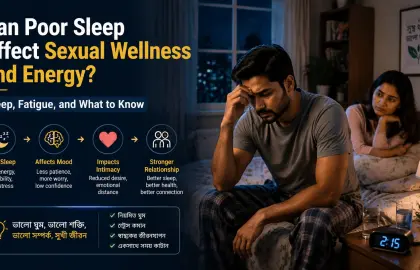
Poor sleep and fatigue
Sleep problems can reduce energy, mood, patience, and interest in closeness. Poor sleep may also make stress feel heavier.
If someone is sleeping badly for several nights, sexual wellness changes may be temporary. If sleep problems continue, they deserve attention.
Stress and mental pressure
Work pressure, money worries, family responsibility, relationship tension, and privacy concerns can all affect sexual wellness.
Stress does not mean the issue is “only in the mind.” The body and mind work together. Stress may affect sleep, hormones, energy, mood, confidence, and relationship comfort.
Medication side effects
Some medicines may affect sexual desire, energy, or body response. This may include some medicines used for blood pressure, mood, sleep, allergies, or other conditions.
Nobody should stop prescribed medicine suddenly because of this. That is a bad move. Speak with the prescribing doctor. A healthcare professional may review the medicine, dose, timing, or other possible causes safely.
Existing heart disease or warning symptoms
If someone already has heart disease, chest pain, severe shortness of breath, dizziness, fainting, or unusual fatigue, sexual wellness concerns should be discussed with a healthcare professional. This is especially important before taking any medicine or product promoted online.
When It May Be Temporary
Sometimes sexual wellness changes are short-term. They may happen after:
- A stressful week
- Poor sleep
- Recent illness
- Emotional pressure
- Travel or routine disruption
- Heavy workload
- Family tension
- Relationship misunderstanding
- A recent lifestyle change
- Short-term fatigue
In these situations, the body may simply need rest, routine, better communication, and less pressure. But temporary does not mean guaranteed to disappear. If the concern keeps returning, becomes distressing, or appears with other health signs, it is better to get proper advice.
When to Seek Professional Help
Speak with a qualified healthcare professional if:
- Symptoms are sudden
- Symptoms continue or worsen
- The concern causes stress or relationship distress
- There is known diabetes, heart disease, high blood pressure, hormonal issues, or medication use
- There is chest pain, dizziness, fainting, severe fatigue, or unusual shortness of breath
- Sexual wellness changes appear along with major changes in weight, mood, sleep, or energy
- The issue affects daily life or relationship wellbeing
- You are thinking about taking pills, supplements, or performance products from online claims
This is not meant to scare anyone. It is meant to stop careless self-diagnosis. A doctor can check blood pressure, blood sugar, heart risk, medication side effects, hormones, stress, and other possible causes.
For many people, the hardest step is starting the conversation. But that step can be responsible, mature, and protective.
Safe Everyday Habits That May Support Overall Wellbeing
These habits are not cures. They are general health-supportive habits that may improve overall wellbeing.
Build regular movement into the week
Walking, light jogging, cycling, swimming, stretching, or home-based exercise may help support fitness. Start from your current level. Do not copy someone else’s routine blindly.
If you have heart symptoms or a chronic condition, ask a healthcare professional what level of activity is safe.
Improve sleep routine
Try to keep sleep and wake times more consistent. Reduce late-night scrolling, heavy meals before bed, and unnecessary caffeine late in the day. Better sleep may support mood, energy, and stress control.
Eat in a heart-supportive way
A balanced diet with vegetables, fruits, whole grains, protein, healthy fats, and enough water can support general wellbeing. People with diabetes, kidney disease, high blood pressure, or heart disease should follow medical nutrition advice.
Check blood pressure and blood sugar
In Bangladesh, many people wait until symptoms become serious. That is not smart. Routine checks can help detect issues earlier, especially after 40, with family history, weight changes, diabetes risk, smoking, or persistent fatigue.
Reduce smoking and heavy alcohol use
Smoking and heavy alcohol use may affect heart health, energy, sleep, mood, and relationship comfort. Reducing them can be part of a wider health plan.
Manage stress without hiding everything
Stress becomes worse when someone carries it alone. Prayer, quiet time, walking, journaling, counselling, or talking with a trusted person may help. If stress or low mood continues, professional support is appropriate.
Communicate respectfully with your partner
A sexual wellness concern should not become a blame game. A calm conversation can reduce pressure. Simple honesty often helps more than silence.
Follow medical advice for existing conditions
If you have diabetes, high blood pressure, heart disease, thyroid problems, depression, or another chronic condition, follow the care plan. Do not change medicine because of online advice.
What Not to Do
Do not self-diagnose from one symptom.
Do not assume every sexual wellness concern means heart disease.
Do not ignore sudden, persistent, or worsening symptoms.
Do not stop prescribed medicine without medical advice.
Do not take random pills, supplements, or herbal products because someone online promised fast results.
Do not compare yourself with friends, social media posts, or unrealistic expectations.
Do not hide serious symptoms because of embarrassment.
Do not make your partner feel blamed or rejected without explanation.
Do not rely only on social media advice for health concerns.
This is where many people make a mess. They search online, feel embarrassed, buy something random, avoid doctors, and then the real issue stays unsolved. Don’t do that.
Bangladesh Context
In Bangladesh, sexual wellness is still difficult for many people to discuss openly. Some people feel shy even saying the problem clearly. Others worry about privacy, judgment, family pressure, or what a doctor might think.
That hesitation is understandable, but it should not stop someone from caring for their health. A sexual wellness concern may be connected with stress, sleep, diabetes, blood pressure, heart health, medication, hormones, or relationship pressure. Ignoring it because of embarrassment is not a good strategy.
Privacy matters. A respectful healthcare professional should treat health concerns seriously and confidentially. If someone is uncomfortable, they can prepare their symptoms in writing before the appointment. They can also choose a doctor they trust.
Partner communication also matters. In many relationships, silence creates more pressure than the concern itself. A calm explanation such as “I have been tired and stressed; I think I should check my health” can reduce misunderstanding.
This topic should be handled with maturity, not shame.
Short Summary
Heart health and sexual wellness are connected because circulation, fitness, energy, stress, sleep, blood pressure, diabetes, smoking, alcohol, medication, and emotional comfort may all influence how a person feels in intimate relationships. A concern in this area does not automatically mean heart disease, and it should not be treated with panic or shame.
Sometimes the issue may be temporary, especially during stress, fatigue, poor sleep, or recent lifestyle changes. But sudden, ongoing, worsening, or distressing symptoms should be discussed with a qualified healthcare professional.
Taking care of heart health is not only about avoiding disease. It can also support confidence, daily energy, and relationship wellbeing.
References used for medical accuracy
World Health Organization — Physical Activity
Used for general guidance that regular physical activity supports physical and mental health and helps reduce the risk of noncommunicable diseases such as cardiovascular disease and diabetes.
World Health Organization — Sexual Health
Used for the broader understanding that sexual health is connected with wellbeing, respect, safety, and overall health, not only the absence of disease.
Mayo Clinic — Erectile Dysfunction: A Sign of Heart Disease?
Used for the medically cautious explanation that erection difficulty can sometimes be an early warning sign of heart disease, especially when linked with blood vessel health or cardiovascular risk factors.
MedlinePlus — Erectile Dysfunction
Used for general medical information that erectile dysfunction may be linked with blood vessel problems, diabetes-related nerve damage, and other health conditions, and that people should speak with a doctor instead of ignoring symptoms.
MedlinePlus — Diabetes and Nerve Damage
Used for the explanation that diabetes may affect nerves and blood flow over time, which is relevant when discussing circulation, blood sugar, and sexual wellness concerns.
American Heart Association — Recommendations for Adults
Used for general physical activity guidance, including weekly movement recommendations for adults and the advice to reduce sedentary time.
Cleveland Clinic — Erectile Dysfunction
Used for general information that sexual wellness concerns can have many possible causes, including blood vessel conditions, neurological conditions, mental health conditions, and other health-related factors.
NHS Inform — Loss of Libido
Used for general information that low sexual interest may be linked with stress, anxiety, exhaustion, relationship problems, depression, alcohol use, age-related changes, and hormonal issues.
Final Disclaimer
This article is for educational purposes only and is not a substitute for professional medical advice, diagnosis, or treatment. If you have ongoing, sudden, or concerning symptoms, speak with a qualified healthcare professional.