What Causes Performance Anxiety? Confidence, Pressure, and Support Options
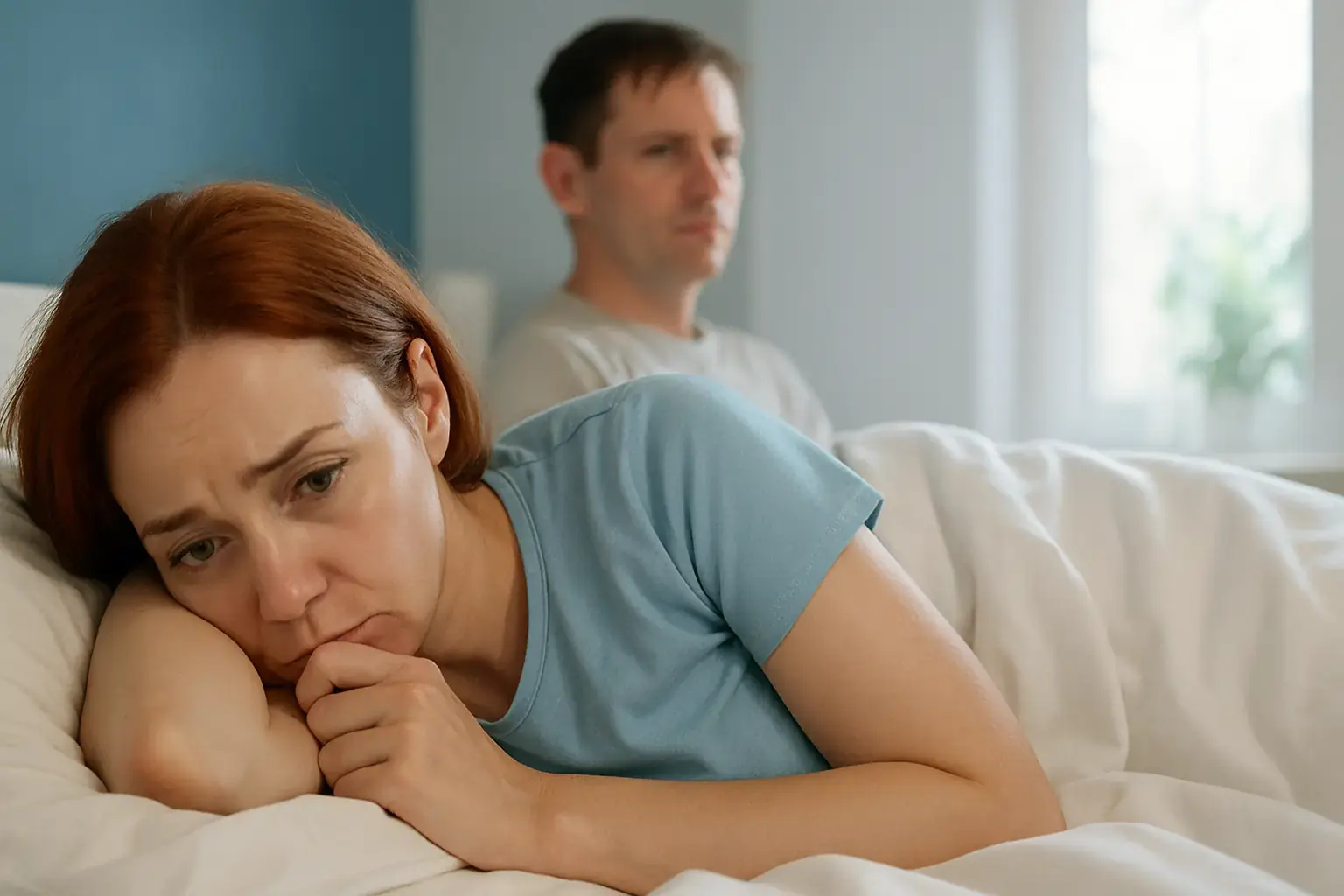
Performance anxiety in women isn’t just “feeling shy” or “normal nervousness before sex.” It’s a deeper fear of being judged, disappointing a partner, or not meeting imagined expectations during intimacy. In Bangladesh, where conversations about women’s sexual well-being are often avoided, these worries are frequently dismissed or misunderstood.
When the fear becomes repetitive — affecting arousal, comfort, confidence, and the relationship — it becomes a treatable condition. The reassuring part: with the right support, most women recover fully and regain natural intimacy.
What Is Performance Anxiety?
Performance anxiety during intimacy is a fear-driven response that appears when a woman feels watched, evaluated, or pressured to “perform well” during sexual activity.
It can occur during:
- Foreplay or initial closeness
- Penetration
- Moments of vulnerability, like undressing
- Attempts to feel arousal or orgasm
The body reacts as though it's under stress: heart racing, muscles tightening, thoughts freezing, and the mind focusing more on “What if something goes wrong?” than on pleasure or connection.
Cultural silence around women’s sexuality in Bangladesh makes this even harder to talk about.
Symptoms
Performance anxiety in women can show up across physical, emotional, and behavioral patterns.
Physical Symptoms
- Fast heartbeat or shaky breathing
- Tight chest or tense muscles
- Dry mouth or nausea
- Difficulty relaxing the pelvic floor
- Vaginal dryness
- Reduced arousal despite wanting intimacy
- Pain during penetration due to involuntary muscle tightening
Emotional Symptoms
- Fear of disappointing a partner
- Feeling judged or “not good enough”
- Shame about libido, body, or orgasm response
- Worrying too much about appearance or reaction
- Disconnecting emotionally during intimacy
Behavioral Symptoms
- Avoiding sex, affection, or situations that may lead to intimacy
- Overthinking or obsessively preparing
- Freezing when intimacy begins
- Relying on alcohol or sedatives to “feel relaxed”
These patterns can create a cycle: anxiety → discomfort → avoidance → more anxiety.
Causes
Performance anxiety usually develops from a mix of internal and external factors.
Biological Causes
- Sensitive stress response
- Thyroid or hormonal imbalances
- Postpartum changes reducing libido or comfort
- Fatigue, poor sleep, or long-term stress
Psychological Causes
- Past painful sexual experiences
- Shame, guilt, or misinformation about sex
- Negative body image
- Low self-esteem
- Fear of being “judged,” “too slow,” or “not performing well”
Social & Cultural (Bangladesh Context)
- Pressure to appear sexually “experienced” yet “modest”
- Expectations to satisfy a partner even when uncomfortable
- Limited sex education
- Cultural silence around female pleasure
- Misunderstandings sourced from pornography or social media
Sexual Triggers
- Previous episodes of painful sex
- Difficulty reaching orgasm
- Pressure to “be responsive” quickly
- Fear of vaginal dryness or tension
- Anxiety after childbirth or physical changes
Risk Factors
You’re more likely to experience performance anxiety if you have:
- Perfectionistic tendencies or high self-expectations
- Previous embarrassment or body insecurity
- Relationship tension or communication gaps
- Lack of experience or shame-based beliefs about sex
- Chronic stress or fatigue
- History of painful intercourse (vaginismus or dyspareunia)
Sexual anxiety becomes stronger when a woman feels she must “perform” instead of connect.
Diagnosis
Performance anxiety is diagnosed clinically, not through lab tests.
A healthcare provider or therapist will explore:
- When the anxiety begins during intimacy
- Whether symptoms reduce when pressure is removed
- Relationship dynamics and communication patterns
- Past painful experiences or medical issues
- Hormonal changes, medications, or pelvic floor concerns
For physical symptoms (such as pain or dryness), a gynaecologist may check for underlying conditions like hormonal imbalance, pelvic floor tightness, or infections.
Treatment
Cognitive Behavioral Therapy (CBT)
The most effective long-term approach.
CBT helps women challenge fear-based thoughts, reduce pressure to “perform,” and replace self-judgment with realistic expectations. Gradual exposure and communication-building exercises improve confidence during intimacy.
Mind–Body Techniques
- Slow, mindful breathing
- Muscle relaxation, especially pelvic floor
- Grounding exercises to stay present
- Guided imagery to reduce anticipatory fear
These techniques help reduce the physical “fight-or-flight” response that blocks arousal.
Lifestyle Support
- Regular movement or exercise
- Consistent sleep routines
- Reduced caffeine and screen overstimulation
- Creating emotional closeness with a partner outside of sexual moments
A calmer baseline makes sexual anxiety much easier to manage.
Medication (If needed)
Medication is not the first step, but may help when anxiety is severe.
- Beta-blockers for event-specific physical symptoms
- SSRIs for chronic anxiety
- Lubricants or vaginal moisturizers if dryness adds to discomfort
Always under a doctor’s supervision.
Relationship or Sex Therapy
Helpful when communication patterns, misunderstandings, fear of judgment, or emotional distance contribute to anxiety.
Therapists guide couples toward:
- Open, pressure-free communication
- Exploring intimacy without focusing on performance
- Understanding each other’s needs and boundaries
Prevention & Long-Term Stability
- Practice relaxation techniques regularly
- Develop healthy sleep and activity habits
- Let intimacy be slow, pressure-free, and emotionally connected
- Focus on pleasure, not performance
- Reduce self-criticism and unrealistic expectations
- Communicate openly with your partner
- Seek early support if old symptoms start returning
Confidence grows from safety, trust, and repeated positive experiences — not from trying harder.
Medical Notice
This guide offers general information only. For personalised assessment and safe treatment, consult a licensed psychiatrist, psychologist, urologist, gynaecologist, or certified sex therapist. Never use medication for performance anxiety without medical supervision.