What Is Retrograde Ejaculation? Causes, Symptoms, and Fertility Impact
Most men rarely talk about it, yet ejaculation problems are more common than many realize. These include premature, delayed, and the lesser-known retrograde ejaculation.
Retrograde ejaculation happens when semen flows backward into the bladder instead of being released through the tip of the penis during orgasm. It’s usually not painful or harmful, but it can affect fertility — especially for couples in Bangladesh hoping to conceive.
Often, the condition doesn’t cause physical discomfort but may signal underlying issues like diabetes, nerve damage, or medication side effects. In some men, it results from anatomical differences or previous pelvic surgeries that affect normal muscle control.
Though easily overlooked, understanding this condition matters for both reproductive health and emotional confidence. This guide explains what retrograde ejaculation is, why it occurs, how common it is, and what treatment options exist in Bangladesh.
Retrograde Ejaculation
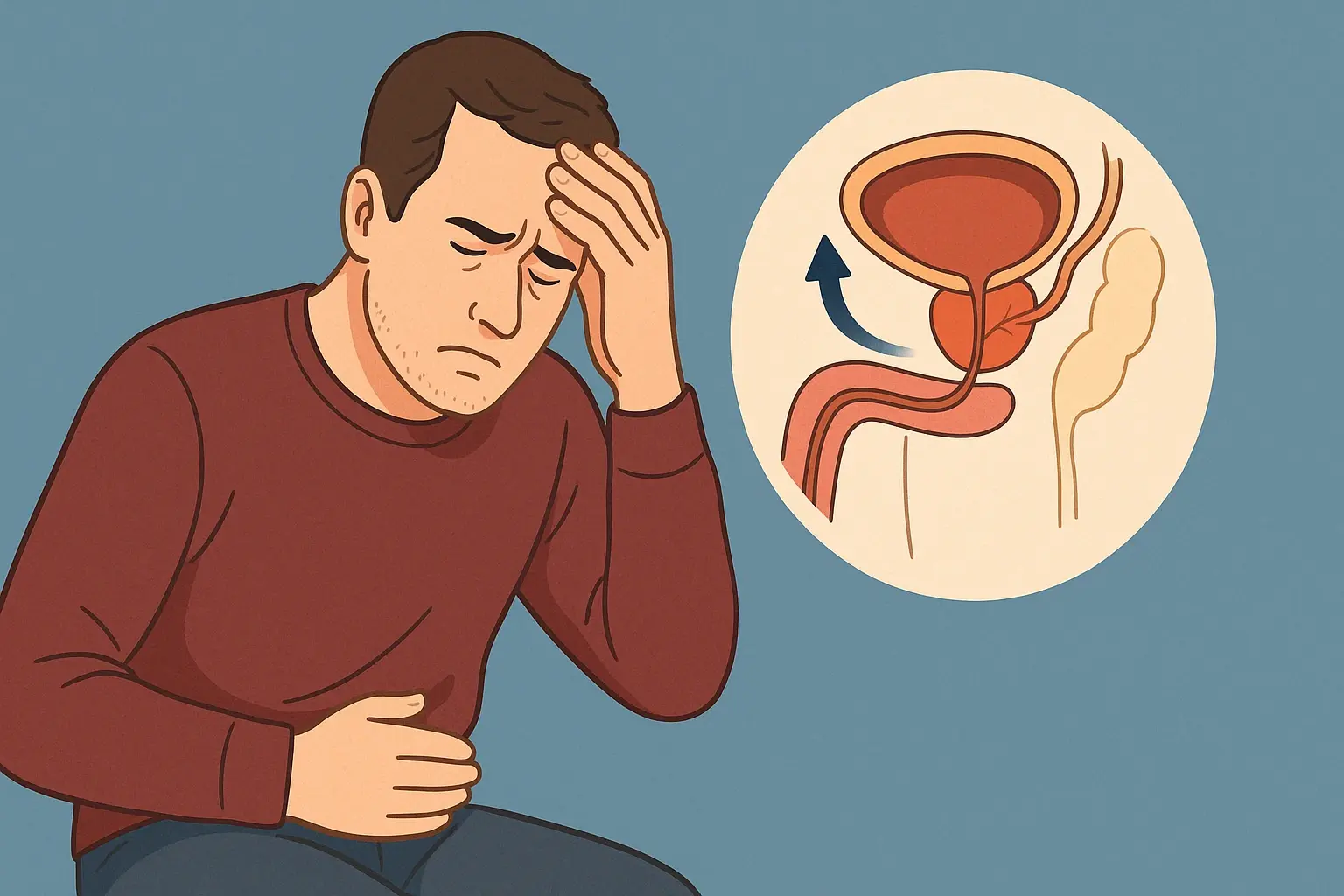
Retrograde ejaculation occurs when semen moves backward into the bladder instead of being released through the penis. This causes either a weak ejaculation or no visible semen, often called a “dry orgasm.”
Normally, semen forms when sperm from the testicles mix with fluids from the seminal vesicles and prostate gland. These travel through the urethra — the same passage used for urine — and are expelled during orgasm.
During climax, a ring-like muscle at the base of the bladder — the bladder neck — tightens to keep semen from flowing backward. In men with retrograde ejaculation, this muscle doesn’t close fully, allowing semen to enter the bladder instead of exiting the penis.
The orgasmic feeling remains normal, but semen later leaves the body with urine. This makes retrograde ejaculation a common yet overlooked cause of male infertility, even when sperm production is healthy.
How Common Is Retrograde Ejaculation?
Retrograde ejaculation is rare, but likely under-reported due to limited awareness. Global studies show it affects up to two percent of men, mostly those visiting fertility clinics.
In Bangladesh, doctors often find the condition in men with long-term diabetes or those who’ve had prostate or bladder surgery. It can also result from medications for blood pressure, depression, or prostate enlargement.
While not harmful, retrograde ejaculation can cause emotional stress, especially for couples facing fertility challenges. Early consultation with a urologist and proper testing help determines whether it’s temporary, medication-related, or linked to another condition.
Symptoms of Retrograde Ejaculation
Retrograde ejaculation usually appears as little or no semen during orgasm. The orgasm feels normal, but the semen flows backward into the bladder instead of out through the penis.
It’s not painful and doesn’t affect erection or pleasure. Normally, men release about a quarter to one teaspoon of semen. In this condition, the amount is much less — or none at all.
After ejaculation, urine may look cloudy, as semen mixes with it and leaves the body while urinating. If the condition is mild, many men don’t notice it. Still, some feel uneasy or anxious after seeing changes, especially when trying for a child.
Causes of Retrograde Ejaculation
Retrograde ejaculation occurs when semen moves into the bladder instead of exiting through the urethra. The issue lies in the bladder neck muscle, which should close during orgasm but doesn’t tighten fully, letting semen flow backward.
Common triggers include certain medications, pelvic surgeries, and medical conditions that affect muscle or nerve control.
Medications
Some medicines prescribed in Bangladesh can cause this condition:
- Alpha-blockers – used for high blood pressure or enlarged prostate (BPH). Drugs like tamsulosin and silodosin relax the bladder neck, allowing semen backflow.
- Antidepressants – a few, such as venlafaxine (Effexor®), may rarely affect ejaculation control.
- Antipsychotics – including risperidone, clozapine, or thioridazine, can sometimes disturb normal ejaculation reflexes.
If symptoms start after new medication, speak with your doctor — never adjust doses on your own.
Surgical Procedures
Retrograde ejaculation can follow surgeries involving the prostate, bladder, or pelvic nerves. Common examples:
- Prostate surgeries (TURP, HoLEP) – effective for BPH but often linked to semen backflow.
- Bladder or cancer operations – may damage muscles or nerves that control ejaculation.
- Spinal or pelvic surgeries – done for spine injury or rectal conditions can sometimes disrupt nerve signals.
Men should always discuss possible sexual side effects with their urologist before surgery.
Medical Conditions
Some long-term illnesses affect the nerves or muscles controlling ejaculation, such as:
- Diabetes (nerve damage from high blood sugar)
- Multiple sclerosis (MS)
- Spinal cord injury or stroke
- Congenital abnormalities
In Bangladesh, diabetic nerve damage is the leading cause, especially in men over 40. Proper blood-sugar control and early medical care can help prevent or manage the problem.
Risk Factors for Retrograde Ejaculation
Retrograde ejaculation is uncommon, but some men are more likely to develop it — especially those with diabetes or anyone who has undergone bladder, prostate, or pelvic surgery.
In Bangladesh, specialists are seeing more cases linked to long-term diabetes. High blood sugar over time can damage the nerves that control ejaculation, known as diabetic neuropathy. When these nerves weaken, semen may flow backward into the bladder instead of exiting through the penis.
Men who’ve had prostate or bladder surgery also face higher risk. Operations like TURP or HoLEP can disturb the nerves and muscles that manage ejaculation. Studies suggest 70–90% of men who undergo TURP experience some level of retrograde ejaculation afterward.
Keeping blood sugar controlled, choosing skilled surgeons, and attending regular urology check-ups can reduce risk and support long-term sexual health.
Diagnosis of Retrograde Ejaculation
Diagnosis begins with a review of symptoms, medical history, and a physical exam by a urologist. If semen volume is low or absent, the doctor may check whether sperm is entering the bladder instead of being released normally.
The test, called post-ejaculate urinalysis, requires a urine sample right after orgasm. Under a microscope, the lab looks for sperm in the urine. Finding five or more sperm per high-power field (400× magnification) confirms retrograde ejaculation.
This test also helps rule out other causes of low semen volume, such as hormonal issues, duct blockages, or side effects from medication. In Bangladesh, most andrology and fertility clinics offer this test confidentially, helping doctors identify the cause and suggest proper treatment.
Treatment for Retrograde Ejaculation
Treatment for retrograde ejaculation depends on its cause. Most men don’t need surgery, unless it affects fertility or causes ongoing stress.
A urologist may adjust your current medication, prescribe alternatives, or suggest lifestyle changes. If pregnancy is a goal, you may be referred to a fertility specialist.
Changing Medications
If the condition begins after using alpha-blockers or antidepressants, your doctor may reduce the dose or switch drugs. In many cases, normal ejaculation returns once the medication is adjusted or stopped.
Medications That May Help
There’s no specific medicine approved to treat retrograde ejaculation, but some can help tighten the bladder neck muscle and improve semen flow. These include:
- Imipramine
- Pseudoephedrine
- Antihistamines (e.g., chlorpheniramine)
- Phenylephrine
These should only be taken under medical supervision, as they may cause side effects or raise blood pressure.
Managing Underlying Conditions
If diabetes or another chronic illness is the cause, treatment focuses on blood sugar control and nerve health. Doctors may recommend metformin, insulin, or other diabetes medicines, along with a balanced diet, exercise, and weight management.
Men comfortable with dry orgasms and not planning children often don’t need active treatment. Still, it’s important to have regular check-ups to ensure no other problems exist.
In rare cases, surgery may be used to improve bladder neck function, though results vary. Most urologists in Bangladesh recommend non-surgical options first, as they’re safer and more effective.
Fertility Treatments
Men wishing to have children can explore fertility treatments to retrieve sperm for conception. Common options include:
- IUI or IVF using ejaculated sperm
- IUI or IVF using sperm collected from urine
- IVF using sperm surgically retrieved from the testicles
A fertility specialist or reproductive urologist can recommend the best method based on the cause and sperm quality.
Prevention of Retrograde Ejaculation
Prevention depends on the underlying cause. For men with type 2 diabetes, healthy habits can lower the risk:
- Maintain a healthy weight
- Stay physically active
- Limit sugar and processed foods
- Eat more fresh fruits, vegetables, and whole grains
In Bangladesh, where diabetes and prostate disorders are increasing, early medical care and ejaculation-sparing surgery can protect long-term sexual health.
Modern prostate procedures now aim to preserve ejaculation. When possible, doctors may choose ejaculation-sparing TURP or laser techniques to reduce semen backflow. A urologist can advise whether these less invasive options are right for you.