How Religious Values Shape Sexual Wellbeing Awareness in Bangladesh
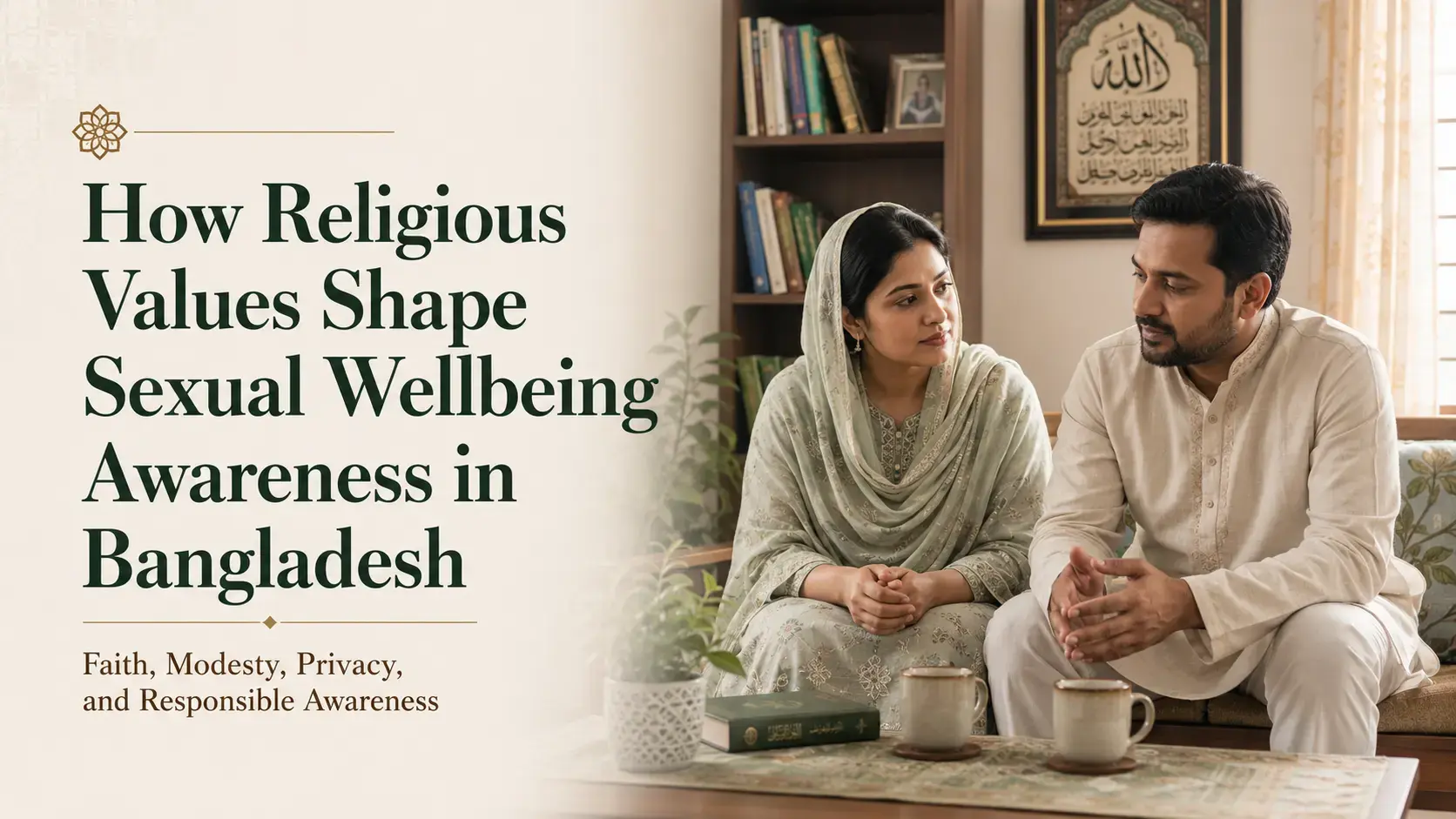
Religious values influence how many people in Bangladesh understand personal dignity, modesty, privacy, marriage, family responsibility, and respectful behaviour. These values can give people a strong moral foundation and a sense of direction. At the same time, many readers may feel unsure about how to learn safely about personal wellbeing, relationship comfort, emotional closeness, and responsible awareness without feeling ashamed or disrespectful.
This topic needs careful language. It should never be handled with mockery, vulgarity, or judgment. People can respect their beliefs and still seek safe, non-explicit education that helps them make thoughtful decisions with dignity.
A Respectful Way to See It
Faith and personal wellbeing do not have to be treated as enemies. For many people, religious values provide structure, patience, responsibility, and emotional discipline. They can guide how someone thinks about privacy, modesty, family life, marriage, and personal conduct.
The real challenge often comes from silence, fear, or lack of safe information. When people are never given respectful language to understand sensitive topics, they may feel confused or guilty for having normal questions. A healthier approach is to learn in a calm, responsible way while still respecting personal beliefs, family values, and cultural comfort.
Religion Often Shapes the Meaning of Personal Dignity
In Bangladesh, religion is not only about formal practice for many people. It can influence daily behaviour, family expectations, marriage views, self-control, privacy, and how people define dignity.
For some readers, religious values help them make careful choices. They may feel that modesty protects respect. They may believe that marriage carries responsibility. They may see privacy as part of personal honour. These views can be deeply meaningful.
That is why educational content on sensitive wellbeing topics must be careful. It should not push people to abandon their values. It should help them understand personal wellbeing in a way that feels responsible, respectful, and safe.
The goal is not to make people careless. The goal is to reduce confusion.
A person may have sincere questions about emotional comfort, boundaries, marriage expectations, or relationship communication. Having questions does not mean they lack values. It often means they are trying to understand life more responsibly.
Modesty Can Guide the Way We Learn
Modesty is important in many Bangladeshi families. It may come from religion, culture, upbringing, or personal comfort. When understood well, modesty can protect dignity and help people avoid careless or public discussion of private matters.
But modesty should not be confused with complete silence.
A person can learn about personal wellbeing without using explicit language. A married couple can discuss emotional comfort without turning the conversation vulgar. A young adult can understand boundaries and responsible behaviour without disrespecting family or faith.
The tone matters. The purpose matters. The source matters.
Respectful education does not expose private matters for entertainment. It gives people safer language, clearer understanding, and better judgment. That is very different from content that is sensational, graphic, or careless.
Privacy Protects Dignity, But Silence Can Create Confusion
Privacy is valuable. Not every personal concern should be shared with friends, relatives, social media, or public groups. In a culture where family reputation and community judgment can feel strong, privacy often helps people feel safer.
But silence becomes a problem when someone has no trusted place to ask questions.
Many Bangladeshi readers grow up hearing that sensitive topics should not be discussed. Parents may avoid the subject because they feel shy. Teachers may skip deeper explanation. Married couples may assume that discomfort should be tolerated quietly. Young people may search online and find content that is either too explicit, too judgmental, or completely disconnected from their values.
This is where safe education becomes important.
People do not need loud or shameless conversations. They need calm, clean, respectful guidance. They need to know that privacy and learning can exist together.
Faith, Marriage, and Relationship Expectations
For many people in Bangladesh, discussions around personal closeness are strongly connected to marriage. Religious and cultural values often frame marriage as a place of responsibility, respect, companionship, and family life.
That can be a meaningful structure. But even within marriage, people may still need communication, emotional safety, patience, and mutual understanding.
A married person may feel uncomfortable discussing sensitive concerns. Another person may think love means their partner should automatically understand everything. Some couples may avoid talking because they do not want to sound disrespectful or create conflict.
But silence does not always protect a relationship. Sometimes it creates distance.
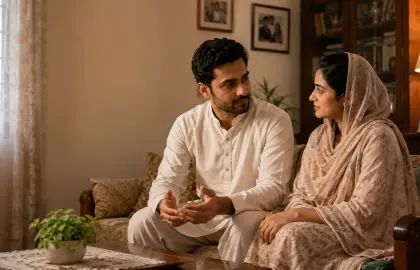
A respectful conversation can be simple:
“I want us to understand each other better.”
“I feel shy discussing this, but I think it matters.”
“I want to speak respectfully, not argue.”
“I need your patience while I explain how I feel.”
These words are not against dignity. They are part of emotional maturity.
Awareness Is Not the Same as Disobedience
One common fear is that learning about sensitive wellbeing topics may lead people away from values. That fear is understandable, especially when much online content is careless or explicit.
But awareness itself is not the problem. The quality and purpose of learning matter.
A respectful article, a professional conversation, or a trusted educational resource can help someone understand boundaries, emotional comfort, safety, and responsibility. That is very different from content that encourages reckless behaviour or mocks belief systems.
Good awareness supports better judgment. It helps people know what is respectful, what is unsafe, what needs privacy, and when to ask for help.
A person who learns responsibly is often better prepared to protect their values than someone who is left confused.
Why This Matters in Bangladesh
This topic matters in Bangladesh because many people live within a strong mix of religious values, family expectations, modesty, marriage norms, and social judgment.
For some people, these values provide comfort and identity. For others, the pressure to remain silent can make personal questions feel heavier. A person may not want to disrespect their family or faith, but they may also need clarity about emotional wellbeing, relationship comfort, or personal boundaries.
There are also generational differences. Older family members may believe silence is the safest way to protect dignity. Younger people may want answers but may not know where to find reliable guidance. Married couples may want better communication but may feel embarrassed to begin.
Bangladesh needs culturally respectful education that does not insult tradition and does not ignore real human concerns.
That balance is the whole point. Not too loud. Not too silent. Not careless. Not shame-based.
Practical Guidance
Choose Respectful Sources
When learning about sensitive wellbeing topics, avoid content that feels graphic, extreme, mocking, or fear-based. A safe source should use clean language, respect belief systems, and encourage responsible decision-making.
Educational content should help you think clearly. It should not push you into panic, guilt, or careless choices.
Keep Private Matters Private, But Not Ignored
You do not have to discuss personal concerns with everyone. In fact, that can create more problems.
Choose carefully. A trusted person may be a mature spouse, qualified doctor, counselor, mental health professional, legal professional, or a respected religious advisor depending on the issue.
Privacy is wise. Total isolation is not.
Use Calm Language in Relationships
Sensitive conversations do not need harsh words. Start gently.
You can say:
“I want to understand this in a respectful way.”
“I feel confused and need guidance.”
“I want us to talk without blame.”
“I am not trying to disrespect our values.”
This kind of language reduces defensiveness and keeps the conversation dignified.
Respect Boundaries
Personal boundaries are not a rejection of religion, culture, or marriage. Boundaries help people understand what feels safe, respectful, and emotionally comfortable.
In any relationship, both people deserve dignity. No one should feel forced, mocked, ignored, or silenced when discussing sensitive concerns.
Common Misunderstandings
“Religious people should not ask questions about wellbeing.”
This is a weak assumption. Many people ask questions because they want to make responsible decisions and understand their duties better.
Sincere learning can support maturity. The problem is not asking; the problem is careless, disrespectful, or unsafe information.
“Respecting faith means never discussing sensitive topics.”
Respecting faith can include choosing modest language and private settings. It does not have to mean avoiding every concern.
Some topics need careful discussion because silence can create confusion, emotional distance, or unsafe decisions.
“Modern education always attacks traditional values.”
Not all education does that. Some content may be culturally careless, but responsible education can respect faith, family, and privacy.
The standard should be quality, tone, and intention. Good guidance does not mock what people hold sacred.
“Marriage automatically solves every concern.”
Marriage can provide a meaningful framework, but it does not remove the need for communication, patience, emotional care, and mutual respect.
Couples may still need to learn how to speak, listen, and understand each other with dignity.
Educational Safety Note
This article is for general educational awareness only. It does not provide medical, psychological, legal, religious, marital, or counseling advice.
Sensitive personal and relationship concerns can be complex. If you are facing distress, fear, coercion, trauma, health concerns, ongoing conflict, or confusion about a serious decision, please speak with a qualified professional or a trusted advisor who can guide you safely and respectfully.
BeshiKhushi Editorial Note
BeshiKhushi provides education-first, culturally respectful wellness guidance for Bangladeshi readers. Our aim is to help people understand sensitive topics with dignity, modesty, privacy, and responsible awareness.
This content does not replace advice from qualified doctors, counselors, mental health professionals, legal professionals, or trusted religious advisors where appropriate. Readers are encouraged to use this article as a starting point for calm reflection and safe learning.