Marriage, Intimacy, and Cultural Expectations in Bangladesh
Marriage in Bangladesh is often more than a personal relationship. It can involve family hopes, religious values, social expectations, privacy, emotional adjustment, and long-term responsibility. Many people enter marriage with love, respect, or good intention, but still feel unsure about how to build emotional closeness, communicate gently, and manage private expectations with dignity.
These topics are sensitive, so they need careful language. Healthy understanding does not require vulgar discussion or disrespect toward culture. It requires patience, privacy, mutual respect, and safe awareness. A marriage can honour values while still giving space to emotional comfort, personal boundaries, and honest communication.
What This Means for Married Life
Marriage can feel easier when both people understand that closeness is not only about duty or social approval. It also includes trust, emotional safety, respectful communication, patience, and personal comfort.
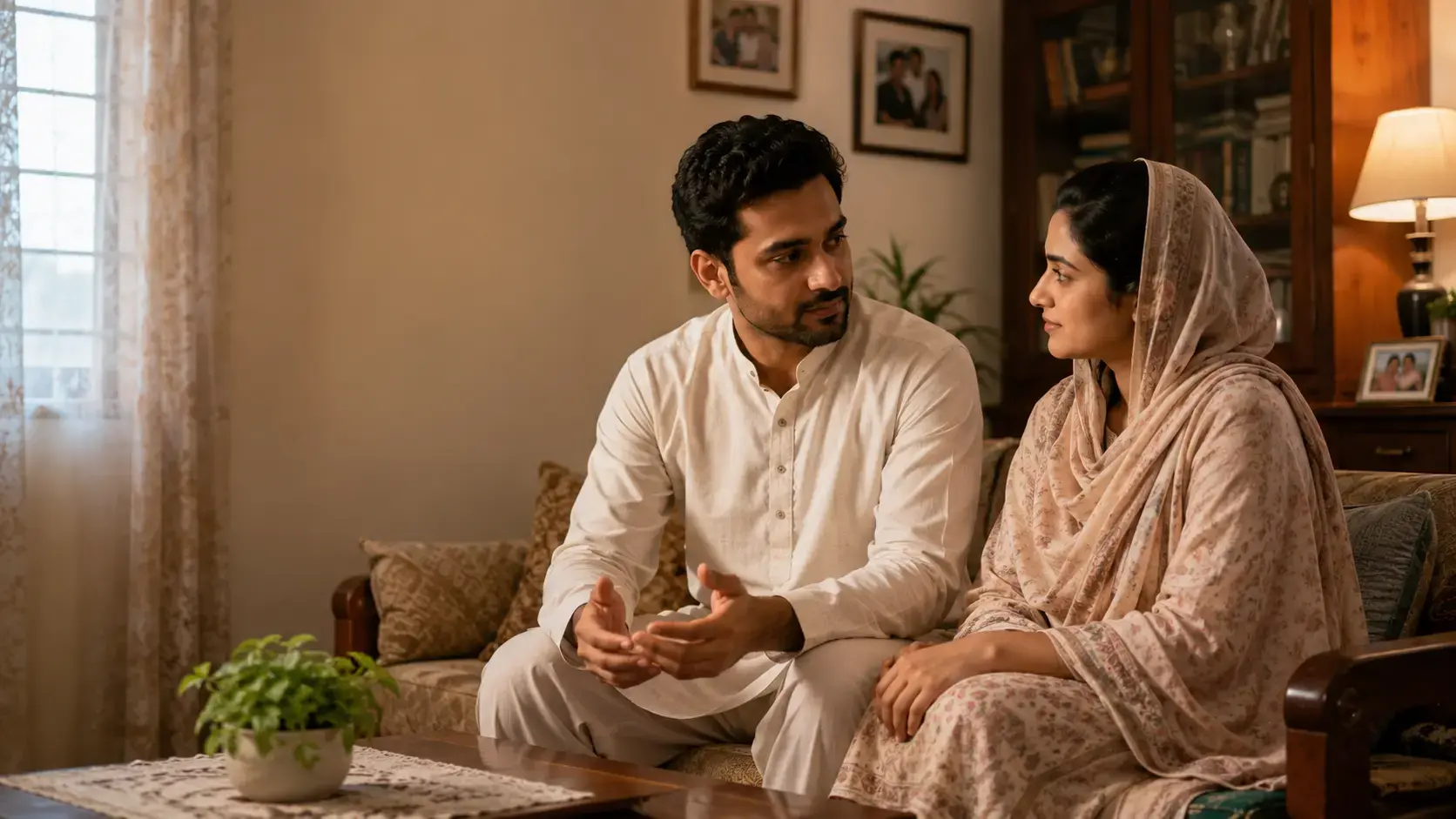
In Bangladesh, many couples may feel pressure to adjust quickly, avoid difficult conversations, or keep every private concern silent. But silence does not always protect a relationship. A respectful, private, and mature conversation can help couples understand each other without damaging dignity or values.
Intimacy Is Not Only Physical
Many people hear the word intimacy and immediately think of private married life. But intimacy has a wider meaning. It can include emotional closeness, trust, comfort, kindness, patience, and the feeling that someone can speak honestly without being judged.
A couple may live together but still feel emotionally distant. They may fulfil responsibilities but avoid deeper conversations. They may care for each other, yet struggle to explain what they need.
This is why emotional closeness matters.
It may grow through simple moments: asking how the other person feels, listening without interrupting, respecting privacy, noticing stress, and speaking gently during disagreement. These small habits can build trust over time.
No relationship becomes mature only because two people are married. Marriage gives a structure. Understanding gives it life.
Cultural Expectations Can Help or Hurt
Cultural expectations are not always negative. They can encourage responsibility, commitment, family support, modesty, and long-term thinking. These can be valuable in married life.
But expectations can become harmful when they leave no room for personal comfort or emotional truth.
For example, some people may hear:
“After marriage, everything will be fine.”
“Good couples do not discuss problems outside.”
“You must adjust no matter what.”
“Private concerns should stay silent.”
“Family elders know best in every situation.”
Some of these ideas may come from care, but they can still create pressure. Adjustment is important, but blind adjustment is not healthy. Privacy is important, but emotional isolation is not healthy. Family guidance can help, but it should not erase the couple’s own communication.
A balanced view respects culture while also protecting dignity.
Modesty and Privacy in Married Life
Modesty and privacy are deeply valued by many Bangladeshi couples. They can protect a relationship from public judgment, gossip, and unnecessary interference.
But privacy should not mean that a person has no voice. A private concern can still deserve attention.
A couple can discuss sensitive matters respectfully without using explicit language. They can talk about comfort, expectations, emotional distance, pressure, boundaries, and misunderstanding in a clean and mature way.
Good privacy means choosing the right space and the right person. It does not mean burying every feeling.
If a concern involves the couple, the first healthy step may be a calm conversation between them. If that is not enough, a trusted professional or responsible advisor may be needed. Not every relative or friend should be included in private matters.
Family Involvement Needs Boundaries
In Bangladesh, family involvement in marriage is common. This can be helpful when families are supportive, mature, and respectful. But it can become difficult when too many opinions enter the private space of a couple.
A couple may need to decide what should be discussed with family and what should remain between them. This is not disrespect. It is part of building a healthy married life.
Family members may have good intentions, but they may not always understand the emotional reality of the couple. Too much interference can increase stress, especially when one partner feels exposed, blamed, or unheard.
Healthy boundaries can sound like:
“We appreciate your concern, but we want to discuss this privately first.”
“We need time to understand each other.”
“We will ask for guidance if needed.”
“We want to handle this respectfully.”
These sentences are firm but not rude. That is the standard people should aim for.
Why This Matters in Bangladesh
This matters because many Bangladeshi couples are expected to manage marriage with maturity, but they are not always given the language or space to discuss emotional needs.
Before marriage, many people receive advice about responsibility, family honour, religious values, and social behaviour. But they may receive very little guidance about listening, emotional comfort, personal boundaries, respectful communication, or how to handle private concerns safely.
There is also social pressure to show that everything is fine. Couples may avoid asking for help because they fear judgment. Women and men can both suffer in silence when they feel they must maintain appearances. Younger couples may search online, but much online content is either too explicit, too careless, or not suitable for Bangladeshi cultural reality.
That is why safe, respectful education matters. It gives people language without vulgarity. It gives direction without disrespecting faith, family, or tradition.
Practical Guidance
Start With Emotional Safety
Before discussing a sensitive topic, ask yourself whether the setting feels calm and safe. Avoid serious conversations during anger, family pressure, public situations, or emotional exhaustion.
A better start may be:
“I want us to understand each other better.”
“I am not blaming you.”
“I feel we should talk calmly.”
“I want to respect both of our feelings.”
This helps reduce defensiveness.
Do Not Expect Mind Reading
Many married people silently expect their spouse to understand everything without being told. That is unfair. Most people need clear but gentle communication.
Instead of saying, “You never understand me,” try, “I find it hard to explain, but I want you to understand how I feel.”
The second sentence opens a door. The first one may start a fight.
Keep Private Issues Away From Public Judgment
Be careful before sharing married concerns with relatives, friends, or social media. Once private matters become public, they can be harder to manage.
Choose guidance wisely. A trusted person should be mature, respectful, confidential, and balanced. If the concern is serious, professional support may be safer than casual advice.
Respect Boundaries on Both Sides
A healthy marriage does not mean one person always gives in. Both people deserve dignity, patience, and emotional comfort.
Boundaries can include time, privacy, communication style, family involvement, financial discussion, personal space, and sensitive expectations. Boundaries are not rejection. They help protect respect.
Learn Without Shame
Some people feel embarrassed to learn about relationship wellbeing after marriage. That embarrassment is understandable, but learning is not shameful.
Responsible education can help couples understand communication, emotional closeness, privacy, and support. The goal is not to become careless. The goal is to become more thoughtful.
Common Misunderstandings
“Marriage automatically creates understanding.”
Marriage creates a relationship structure, but understanding takes time. Two people may come from different families, habits, expectations, and emotional styles.
Patience and communication are needed even in a good marriage.
“Private problems should never be discussed.”
Private problems should not be discussed with everyone. But some concerns need safe conversation with the right person.
Silence can protect dignity in some cases, but it can also increase distance when people need support.
“Family advice is always enough.”
Family advice may help when it is wise and balanced. But some situations need professional support, especially when there is fear, distress, coercion, trauma, serious conflict, or safety concern.
Good families should want safety and wellbeing, not only appearance.
“Talking about emotional comfort is unnecessary.”
Emotional comfort is part of a healthy relationship. Without it, people may feel lonely even inside marriage.
Small conversations, kind listening, and respectful behaviour can make married life more stable over time.
When to Seek Professional Support
Some concerns should not be handled through silence, pressure, or random advice. If a person feels ongoing distress, fear, panic, coercion, emotional harm, serious conflict, trauma, or pressure that affects daily life, it may be time to seek qualified support.
Depending on the situation, support may come from a doctor, counselor, mental health professional, legal professional, or trusted religious advisor. The right guidance should be safe, confidential, and respectful.
Support is especially important if someone feels unsafe, controlled, threatened, or unable to speak freely. In these situations, protecting dignity also means protecting safety.
Seeking help does not mean a marriage has failed. It means the concern deserves responsible attention.
Educational Safety Note
This article is for general educational awareness only. It does not provide medical, psychological, legal, religious, marital, or counseling advice.
Marriage, family expectations, personal values, and relationship concerns can be complex. If you are facing serious distress, fear, coercion, trauma, health concerns, ongoing conflict, or confusion about an important decision, please speak with a qualified professional or a trusted advisor who can guide you safely.
BeshiKhushi Editorial Note
BeshiKhushi provides education-first, culturally respectful wellness guidance for Bangladeshi readers. Our aim is to help people understand sensitive relationship topics with dignity, modesty, privacy, and responsible awareness.
This content does not replace advice from qualified doctors, counselors, mental health professionals, legal professionals, or trusted religious advisors where appropriate. Readers are encouraged to use this article as a starting point for calm reflection and safe learning.